The Passion Years – Part 1
By Wayne Clouten, BPR

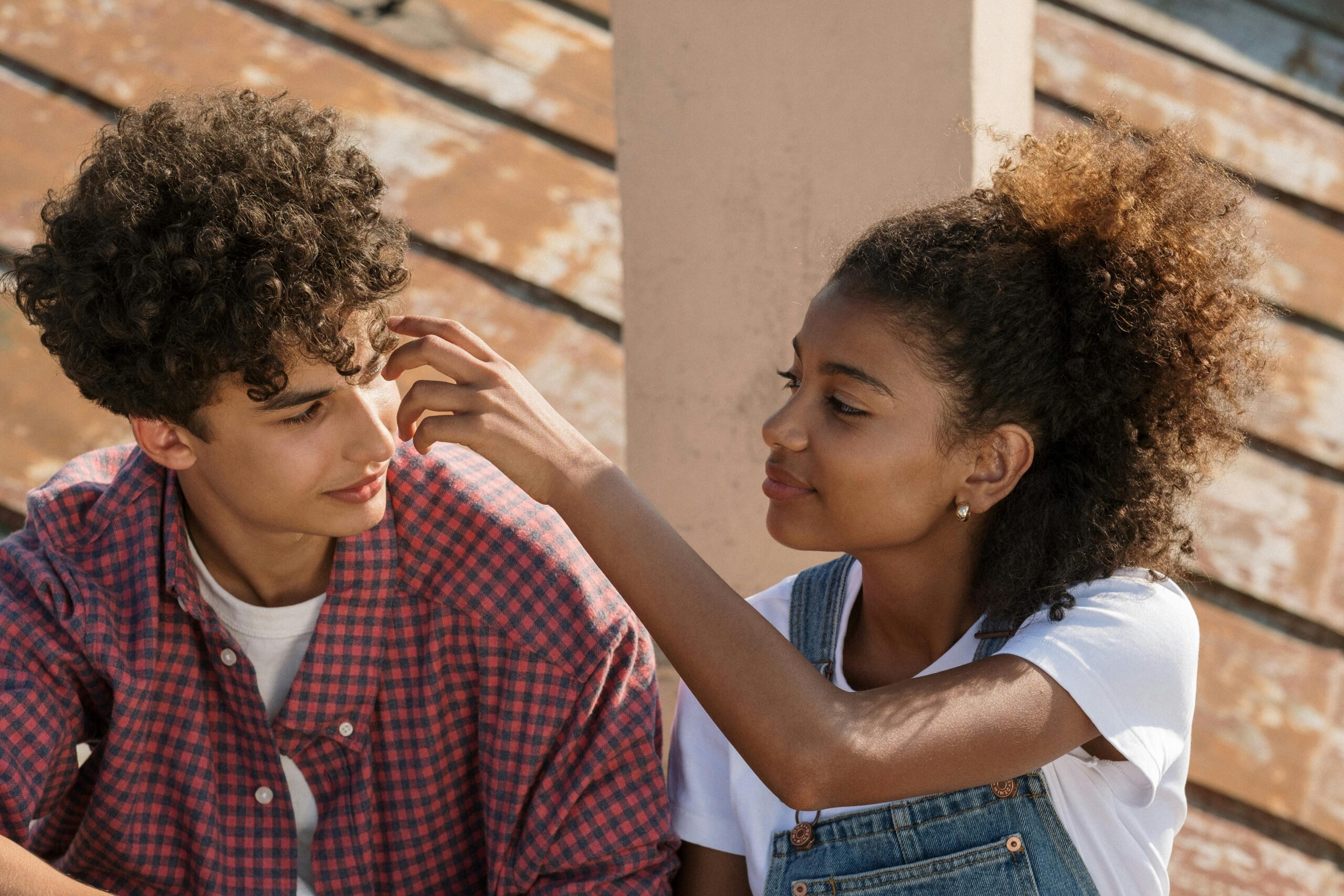
We have known for a very long time that the music of a person’s teenage years tends to be the music they are most passionate about later in life. This has been clear to see in music test data, particularly in 40+ demographics. While statistically we can see it, in more recent times psychologists have identified specifically why it happens. It is not nostalgia that drives it, but neurological fact.
The songs you come to love between the ages of thirteen and eighteen are stored differently in your brain than anything you will subsequently listen to.
“Conventional wisdom” suggests we romanticize the past, that our memory is selective and we project back to a time we have come to idealize for various reasons. That “wisdom” seems logical at first glance but it is largely incorrect.
So, what is happening when you hear one of your favourite songs from your teen years and you stop what you were doing and listen transfixed, either dancing around the office, singing along or shedding a tear? Maybe you tell everyone in the car to stop talking and you turn up the volume?
What psychologists have discovered is both fascinating and highly structural. During adolescence two extremely significant processes are taking shape, simultaneously.
- You form your autobiographical memory.
- You consolidate your identity.
Music you emotionally engage with during this time is more than remembered. It is woven into the fabric of who you become. In effect it becomes part of your emotional DNA.
This goes a long way to explaining how people respond to music later in life.
When a 60 year says something like “they don’t make songs like they use to” it’s not necessarily because current artists don’t make great music, it’s just that a current artist has little chance of ever producing a song that will pluck the emotional triggers the same way a Fleetwood Mac song does with that person. A current song can be liked, even loved for a period by a mature adult but that song is highly unlikely to endure or have the impact like a song from that person’s teenage years – their Passion Years.
In the next instalment we will explore in more detail what drives music passion and some rare exceptions to the rule.
#scientific references available upon request


Discussion
No comments on this post yet, start a discussion below!